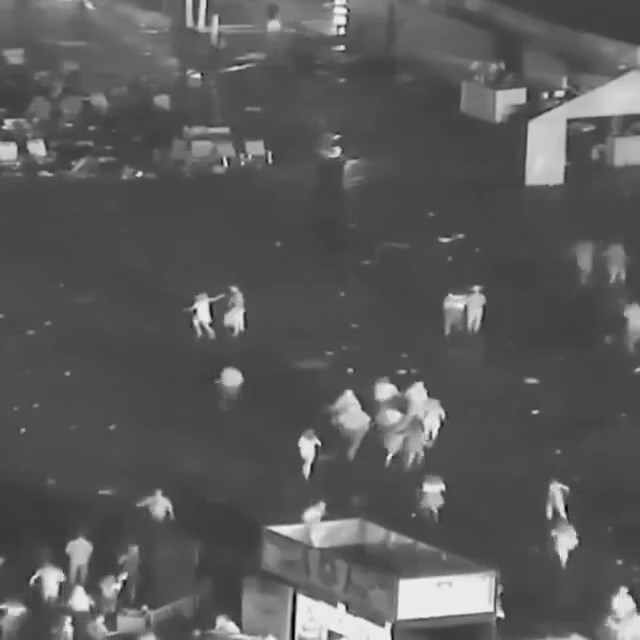
The Night That Changed Las Vegas: Tragedy, Resilience, and the Strength of Community
Some moments in history become permanently etched into public memory, not only because of the tragedy they contain but also because of the extraordinary human responses they inspire. For countless people connected to Las Vegas, one such moment transformed an ordinary evening of entertainment into an event that would forever divide life into two distinct chapters: the time before it happened and the time after.
What was intended to be a celebration filled with music, friendship, and shared experiences suddenly became a scene of confusion, fear, and heartbreak. Thousands of people had gathered expecting nothing more than a memorable night of live entertainment. Families, friends, and visitors from across the country came together to enjoy a popular event, unaware that the evening would soon become associated with one of the darkest moments in modern American history.
For those who were present, memories of that night remain vivid years later. Many survivors have described how quickly normalcy disappeared. One moment people were singing along with performers and enjoying the atmosphere, and the next they were searching for safety, trying to understand what was happening around them. The sudden shift from celebration to crisis left many struggling to comprehend the reality unfolding before their eyes.
In the midst of confusion, individuals were forced to make decisions in mere seconds. Some ran toward safety, guided only by instinct and the desire to survive. Others paused despite the danger around them, choosing to help strangers who needed assistance. These decisions were not made after careful consideration. They emerged from a deeply human impulse to protect others even during moments of extreme uncertainty.
Survivors often speak about how time seemed to behave differently during the event. Minutes felt like hours, and memories became fragmented. Some recall specific sounds, voices, or images that remain clear years later, while other parts of the experience seem impossible to reconstruct. Such reactions are common after traumatic events, reflecting the way the human mind processes overwhelming circumstances.
Beyond the event itself, another story was unfolding across hospitals, emergency response centers, and family homes. Loved ones desperately searched for information about relatives and friends. Phones rang continuously as people attempted to make contact with those who had attended the gathering. Every unanswered message created additional anxiety. Every incoming call carried the possibility of either relief or devastating news.
Hospitals throughout the region became centers of both urgency and hope. Medical professionals worked tirelessly to care for the injured, often under immense pressure. Emergency rooms faced unprecedented demands as patients arrived seeking treatment. Doctors, nurses, technicians, and support staff focused entirely on saving lives and providing comfort to those in need.
Families gathered in waiting rooms, hoping for updates. Many spent hours confronting uncertainty, unsure of what the next conversation might bring. In these spaces, strangers frequently found themselves supporting one another. People who had never met before shared information, encouragement, and compassion simply because they were united by a common concern for human life.
Las Vegas is often known for its bright lights, entertainment venues, and image as a destination where visitors can temporarily escape everyday concerns. Yet during those difficult hours, the city revealed a different identity. Beneath the glamour and spectacle was a community composed of ordinary people confronting extraordinary circumstances together.
The crisis exposed the vulnerability that exists within every community, regardless of how strong or prosperous it may appear. It served as a reminder that tragedy can affect anyone without warning. At the same time, it highlighted something equally important: the remarkable capacity of individuals to support one another when circumstances demand it.
Among the most inspiring stories to emerge were those involving everyday citizens who stepped forward to help. Off-duty medical personnel who happened to be nearby immediately began providing assistance. Without access to ideal equipment or facilities, they used their training and creativity to help stabilize injured individuals until professional responders could take over.
These acts of service were not motivated by recognition or reward. Instead, they reflected a commitment to helping others during a moment when every action mattered. Many of those who provided aid later minimized their own role, insisting that they simply did what anyone would have done under similar circumstances. Yet their efforts undoubtedly made a meaningful difference.
Transportation also became a critical challenge. With emergency services stretched across multiple locations, ordinary drivers stepped forward to help move injured individuals toward medical care. Private vehicles effectively became extensions of the emergency response system as community members volunteered their time and resources to assist those in need.
Acts of kindness continued long after the immediate crisis ended. In the days that followed, residents and visitors alike searched for ways to contribute. One of the most visible examples occurred at blood donation centers. Long lines formed before sunrise as people waited patiently for the opportunity to help. Many donors had no personal connection to the victims, yet they felt compelled to participate in the collective effort to support recovery.
These scenes demonstrated the power of community action. Individuals often feel powerless when confronted with large-scale tragedy. Donating blood, volunteering, offering transportation, providing meals, or simply checking on neighbors became practical ways for people to transform concern into meaningful assistance.
Community gathering spaces also took on new significance. Locations typically associated with entertainment and leisure became places for remembrance and reflection. Memorials appeared throughout the city as people sought opportunities to honor victims and express solidarity with those affected.
Flowers, photographs, handwritten notes, and candles became symbols of collective mourning. Each item represented a personal message of sympathy, remembrance, or hope. Together, they formed powerful reminders that behind every statistic was a unique individual whose life mattered deeply to family, friends, and the broader community.
Public vigils provided another avenue for healing. These events brought together people from diverse backgrounds who shared a common desire to remember, support one another, and reaffirm the values of compassion and unity. While grief remained present, so too did a sense of determination to move forward without forgetting the lessons of the past.
One of the most difficult aspects of any tragedy involves confronting unanswered questions. People naturally seek explanations when faced with events that appear senseless. They want to understand how such incidents occur and whether they could have been prevented. Investigations may provide certain answers, but complete understanding often remains elusive.
For many affected individuals, the search for meaning continues years later. Some find comfort through advocacy, volunteering, or participation in remembrance events. Others focus on supporting survivors and families who continue to navigate long-term emotional and practical challenges. There is no single path toward healing, and every person’s experience is unique.
The impact on survivors extends far beyond the day itself. Recovery frequently involves emotional, psychological, and social dimensions that may continue for years. Many individuals work through memories, fears, and questions while attempting to rebuild a sense of normalcy. Support from family members, friends, counselors, and community organizations often plays an important role in this process.
Families who lost loved ones carry a unique burden. Their grief reflects not only the absence of someone important but also the loss of future experiences that will never occur. Birthdays, anniversaries, celebrations, and everyday moments can become reminders of what has been taken away. Communities often seek ways to honor these families by preserving memories and ensuring that those who were lost are never forgotten.
Educational initiatives, charitable foundations, scholarships, and memorial projects have emerged as ways to transform grief into lasting contributions. Such efforts help keep memories alive while supporting causes that benefit future generations. Through these initiatives, remembrance becomes linked with positive action and community engagement.
The response from across the nation demonstrated how tragedy can inspire solidarity beyond geographic boundaries. Messages of support arrived from people who had never visited Las Vegas and had no personal connection to those directly involved. Nevertheless, they recognized a shared humanity that transcended distance and circumstance.
This widespread support reinforced an important truth: communities are interconnected. When one group experiences hardship, others often feel compelled to respond. Acts of empathy, whether large or small, contribute to a broader culture of care and mutual responsibility.
Media coverage played a significant role in shaping public understanding of the event and its aftermath. While reports focused on facts and developments, many stories also highlighted examples of courage, kindness, and perseverance. These accounts helped shift attention toward the people who chose to help rather than allowing violence to become the defining narrative.
Remembering such events responsibly requires balancing acknowledgment of loss with recognition of resilience. Focusing exclusively on tragedy risks overlooking the countless acts of compassion that occurred in response. Conversely, emphasizing resilience without recognizing suffering can minimize the experiences of those most affected. Meaningful remembrance involves holding both realities together.
Today, years later, the legacy of that night is not defined solely by the violence that occurred. It is also reflected in the actions of medical professionals who worked without rest, volunteers who stepped forward to help strangers, families who supported one another through uncertainty, and community members who refused to allow fear to overcome compassion.
The story remains a powerful reminder of both human vulnerability and human strength. It illustrates how quickly circumstances can change and how important community support becomes during moments of crisis. It also demonstrates that even amid profound sorrow, individuals retain the ability to choose kindness, courage, and solidarity.
The questions surrounding why such tragedies occur may never be fully resolved. Yet the response that followed offers a different lesson—one centered not on destruction but on humanity. Ordinary people, faced with extraordinary challenges, chose to help, comfort, protect, and remember. Their actions created a legacy that continues to inspire others.
In the years since, remembrance ceremonies, community gatherings, and personal reflections have ensured that those affected are not forgotten. These acts of memory serve an important purpose. They honor lives, acknowledge loss, and reaffirm a collective commitment to compassion and unity.
Ultimately, the lasting story of that night is not solely about what happened during a few tragic hours. It is also about what happened afterward. It is about neighbors helping neighbors, strangers supporting strangers, and a city demonstrating resilience in the face of immense adversity.
The events changed countless lives forever, but they also revealed something enduring about the human spirit. In moments when darkness seemed overwhelming, people chose empathy over indifference, courage over fear, and connection over isolation. That choice became its own powerful statement—a refusal to allow violence to define a community’s identity.
As time continues to pass, memories may evolve, but the lessons remain. Communities are strongest when people support one another. Compassion matters, especially during periods of uncertainty. And even in the aftermath of tragedy, hope can emerge through collective action and shared humanity.
For Las Vegas and for all those affected, the legacy continues to be shaped not only by remembrance but also by resilience. The city endured one of its most difficult chapters, yet it responded with determination, generosity, and compassion. Those qualities remain a testament to the people who chose to stand together when it mattered most.
Their actions remind us that while tragedy can leave lasting scars, it can also reveal extraordinary examples of humanity. Through remembrance, support, and continued commitment to one another, communities can move forward while honoring the past. That enduring spirit remains one of the most meaningful legacies to emerge from a night that changed countless lives forever.