A City Reflects After a Tragic Crash: Community, Investigation, and the Search for Answers
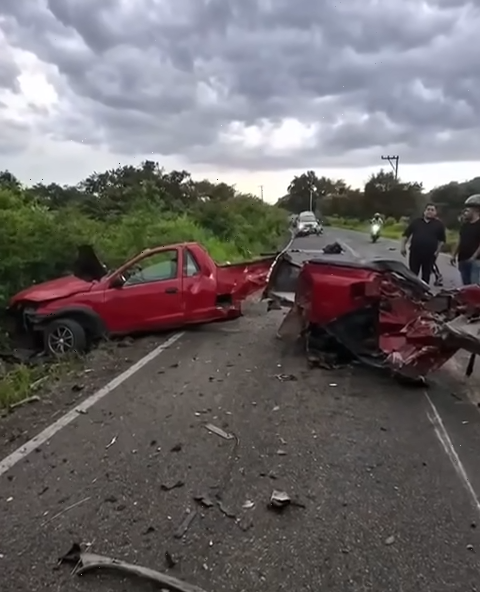
In one of the busiest urban centers in the world, an unexpected traffic incident has left a lasting impact on countless individuals and families. What began as an ordinary day quickly transformed into a moment that changed lives forever. Residents, visitors, emergency responders, and local officials are now grappling with the consequences of a tragic event that has sparked grief, reflection, and an ongoing effort to understand exactly what happened.
As the city processes the aftermath, attention has shifted toward supporting affected families, ensuring accurate information is shared with the public, and conducting a thorough investigation into the circumstances surrounding the crash. While officials continue their work, communities across the area are coming together to offer assistance, condolences, and support to those facing unimaginable loss.
The Immediate Aftermath
The moments following the collision were marked by a rapid emergency response. First responders arrived quickly at the scene, working to secure the area, provide medical assistance, and assess the situation. Emergency personnel followed established procedures designed to protect public safety and deliver aid as efficiently as possible.Witnesses described a scene of confusion and concern as people attempted to understand what had occurred. Local authorities worked to manage traffic, establish safety perimeters, and coordinate with medical teams. Hospitals and healthcare providers also prepared to receive and treat those who had been injured.For many individuals present that day, the experience will remain a significant memory. Incidents of this nature often leave emotional effects not only on victims and their families but also on witnesses, emergency workers, and members of the broader community.
Events like this also highlight the emotional demands placed on first responders. Many agencies provide wellness resources and support services to help personnel process difficult experiences encountered in the course of their duties.
Their efforts frequently go unnoticed amid broader public discussions, yet they remain an essential part of community safety and emergency management.
Understanding the Investigation Process
Following a major crash, investigators undertake a detailed review designed to establish facts and determine contributing factors. This process often involves multiple agencies and specialists with expertise in transportation safety, accident reconstruction, engineering, and public safety.
Investigators typically examine:
- Physical evidence from the scene
- Vehicle condition and maintenance records
- Surveillance footage
- Witness statements
- Road and environmental conditions
- Electronic vehicle data
- Driver history and medical information when appropriate
Each piece of information contributes to a larger picture. Rather than relying on assumptions or early impressions, investigators work methodically to identify what occurred and why.
The process can take time because accuracy is essential. Premature conclusions may create confusion or misinformation, making it important for officials to verify evidence before releasing findings.
Why Accurate Information Matters
In today’s digital environment, information spreads rapidly. Social media platforms, online forums, and news outlets can share updates within minutes of an incident occurring. While this accessibility provides valuable awareness, it can also lead to speculation.
Responsible reporting emphasizes confirmed facts rather than rumors. During active investigations, many details may remain unknown for days or even weeks. Authorities often encourage the public to rely on official statements while investigations continue.
Accuracy is particularly important because families, witnesses, and community members may be directly affected by public discussions. Respectful communication helps ensure that those experiencing loss are treated with dignity while investigators complete their work.
Potential Factors Investigators Consider
Traffic incidents can result from a wide range of factors. Investigators evaluate all available evidence before identifying possible causes.
Some areas commonly reviewed include:
Medical Emergencies
In some situations, drivers may experience unexpected health events while operating a vehicle. Medical professionals and investigators may examine whether a health-related issue contributed to the incident.
Mechanical Conditions
Vehicle systems are designed with numerous safety features, but mechanical problems can occasionally occur. Investigators may inspect braking systems, steering components, tires, and other mechanical elements.
Human Factors
Driver actions, decision-making, visibility, and reaction times can all be relevant considerations. Understanding these factors helps investigators determine whether any preventable circumstances were involved.
Environmental Conditions
Road design, weather, traffic patterns, and visibility may also influence how an incident unfolds. Even in urban environments with extensive infrastructure, investigators assess whether environmental factors played a role.
Community Response and Support
Communities often demonstrate remarkable resilience during difficult times. Following tragic events, residents frequently organize support initiatives, fundraising efforts, and memorial gatherings to honor those affected.
Local leaders, nonprofit organizations, and neighborhood groups may coordinate resources for impacted families. These efforts can include emotional support services, financial assistance programs, and community outreach activities.
The Emotional Impact of Sudden Tragedy
Unexpected incidents can have significant psychological effects. Individuals who experience, witness, or learn about traumatic events may encounter a range of emotional responses.
Common reactions can include:
- Shock
- Sadness
- Anxiety
- Confusion
- Difficulty concentrating
- Sleep disturbances
Mental health professionals emphasize that emotional responses vary widely from person to person. Access to counseling, peer support, and community resources can be valuable during recovery.
Employers, schools, and local organizations often play a role in supporting individuals who may be affected emotionally by major incidents occurring within their communities.
Transportation Safety in Urban Areas
Large cities face unique transportation challenges due to high population density, heavy traffic volumes, and constant movement of people and vehicles.
Urban safety initiatives often focus on:
- Traffic management
- Infrastructure improvements
- Pedestrian safety
- Public awareness campaigns
- Vehicle safety standards
- Emergency preparedness
Transportation agencies continuously evaluate ways to reduce risks and improve public safety. Lessons learned from investigations can contribute to future safety improvements and policy discussions.
Learning From Difficult Events
While no investigation can reverse the consequences of a tragic incident, findings can help identify opportunities for improvement. Safety recommendations, infrastructure enhancements, technological advancements, and public education efforts may emerge from detailed reviews.
Many transportation safety improvements implemented today were developed in response to lessons learned from previous incidents. This ongoing process reflects a commitment to protecting communities and reducing future risks.
Experts often emphasize the importance of evidence-based decision-making when considering safety measures. Thorough investigations provide valuable information that can support informed policy discussions.
The Importance of Patience During Investigations
Public interest in major incidents is understandable. People naturally want answers, especially when events affect their communities. However, comprehensive investigations require time and careful analysis.
Officials must review evidence, verify information, and consult specialists before reaching conclusions. Rushing the process can compromise accuracy and potentially overlook important details.
Patience allows investigators to complete their work thoroughly while maintaining confidence in the findings eventually presented to the public.
Looking Ahead
As the investigation continues, attention remains focused on supporting those directly affected. Families, friends, and community members are navigating a difficult period while awaiting additional information about the circumstances surrounding the crash.
City officials, emergency responders, healthcare providers, and investigators continue their respective roles in addressing immediate needs and pursuing answers. Their efforts reflect a broader commitment to public safety, accountability, and community support.
Although the incident has left a profound impact, it has also highlighted the strength of community connections and the importance of compassion during challenging times.
Conclusion
The tragic crash serves as a reminder of how quickly circumstances can change and how interconnected communities become during moments of crisis. While investigators work to determine the facts, families and residents continue to cope with the emotional consequences of an event that has touched many lives.
In the weeks and months ahead, official findings may provide greater clarity regarding the factors involved. Yet beyond the technical details of any investigation lies a human story—one centered on loss, resilience, support, and the shared desire to prevent similar tragedies in the future.
As the city moves forward, the focus remains on honoring those affected, supporting recovery efforts, and learning from the circumstances surrounding this difficult event. Through compassion, cooperation, and a commitment to understanding the facts, communities can begin the long process of healing while working toward a safer future for everyone.