The strikes came just hours after a two-week truce between the US and Iran was announced, which the Israeli prime minister insisted did not include Lebanon
Israel has launched its largest wave of strikes on Lebanon in the war so far, in a “ring of fire” that has killed more than 250 people and crushed hopes of a ceasefire.
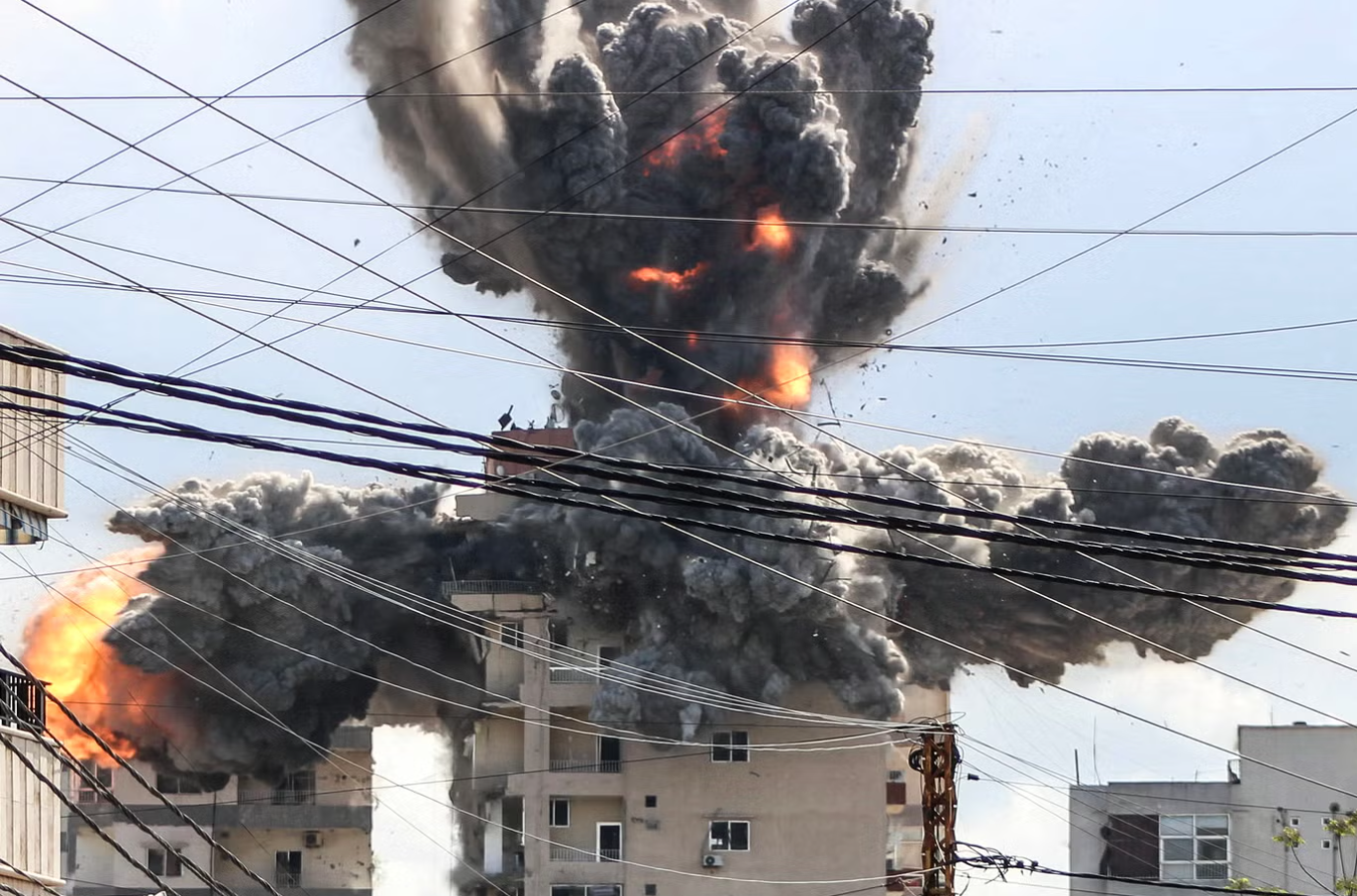
Just hours after Pakistan announced a two-week truce in the region between the US and Iran, massive explosions rained down on Lebanon’s capital, Beirut, eviscerating buildings and sending towering plumes of smoke across the skyline.
The Israeli military said it had hit 100 targets in just 10 minutes, including military infrastructure for Lebanese militant group Hezbollah, densely packed residential neighbourhoods in the capital, the Bekaa Valley to the east and the already devastated south.
Witnesses and the wounded described a ring of fire, as civilians, smeared in blood, were shuttled to hospital on the back of motorcycles and first responders dug desperately through the rubble. Veteran surgeons in overwhelmed hospitals called it “an absolute massacre”.
In total, the bombings killed at least 254 people and injured more than 1,160 others across the country, according to Lebanon’s civil defence.
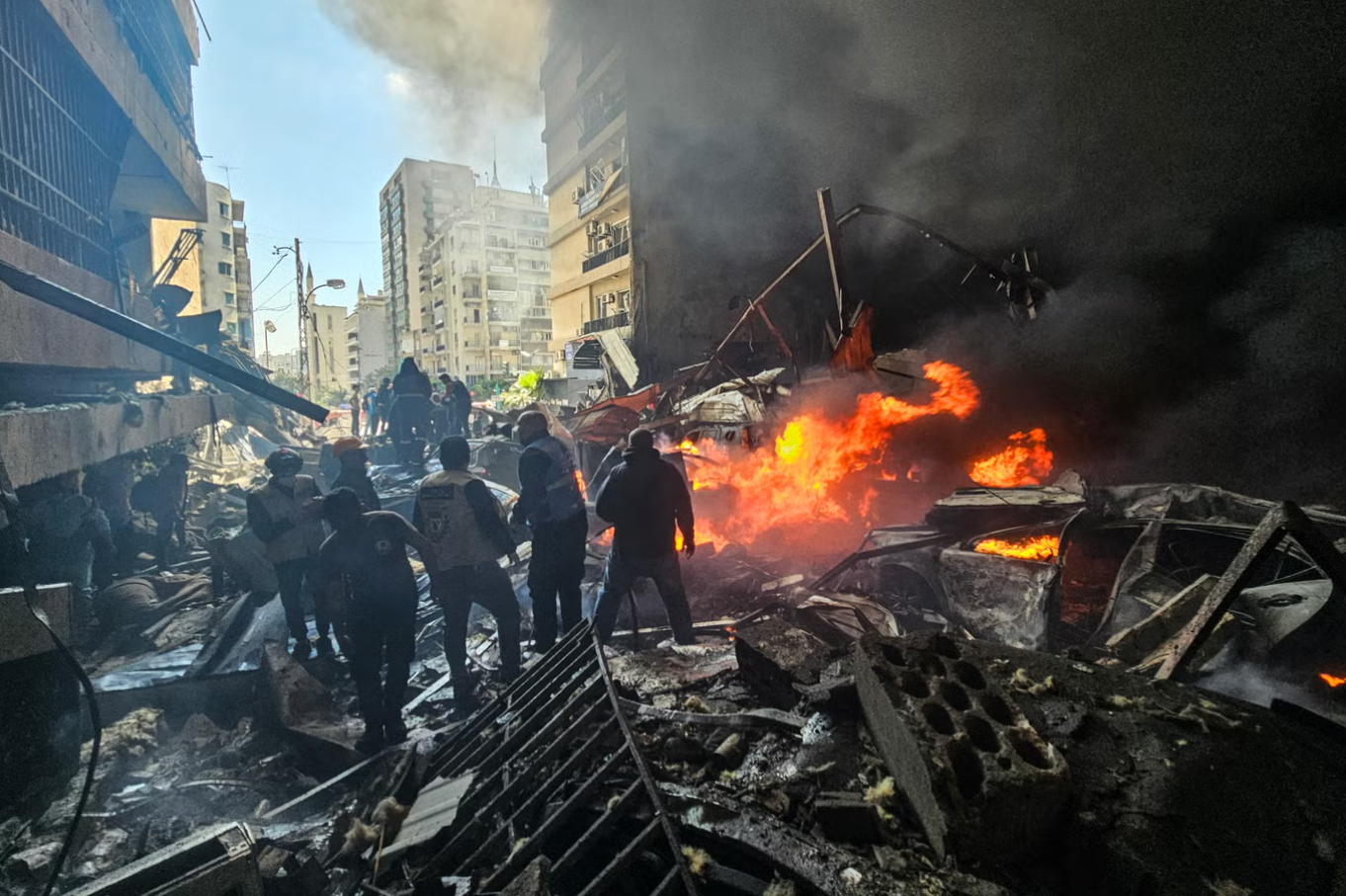
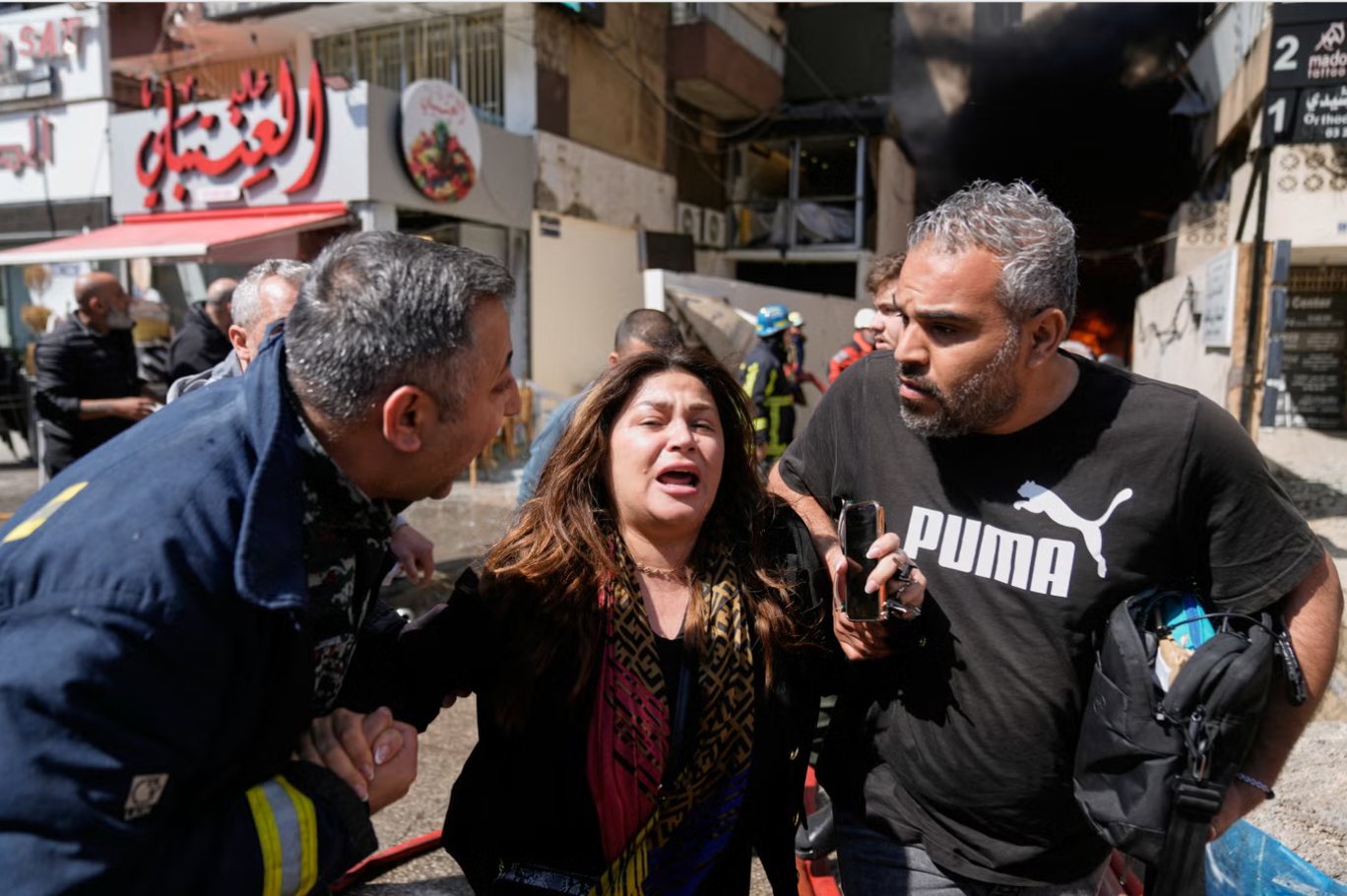
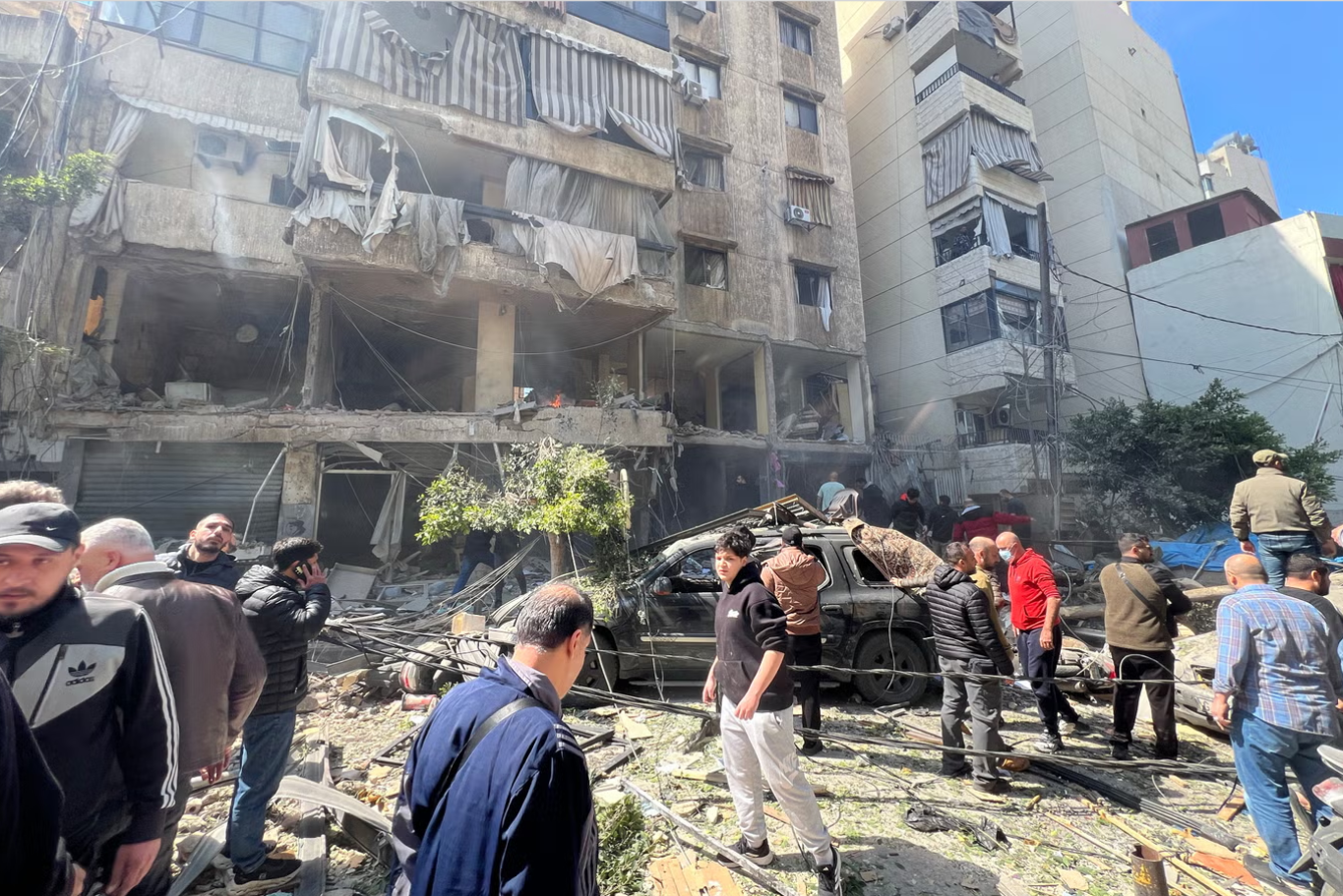
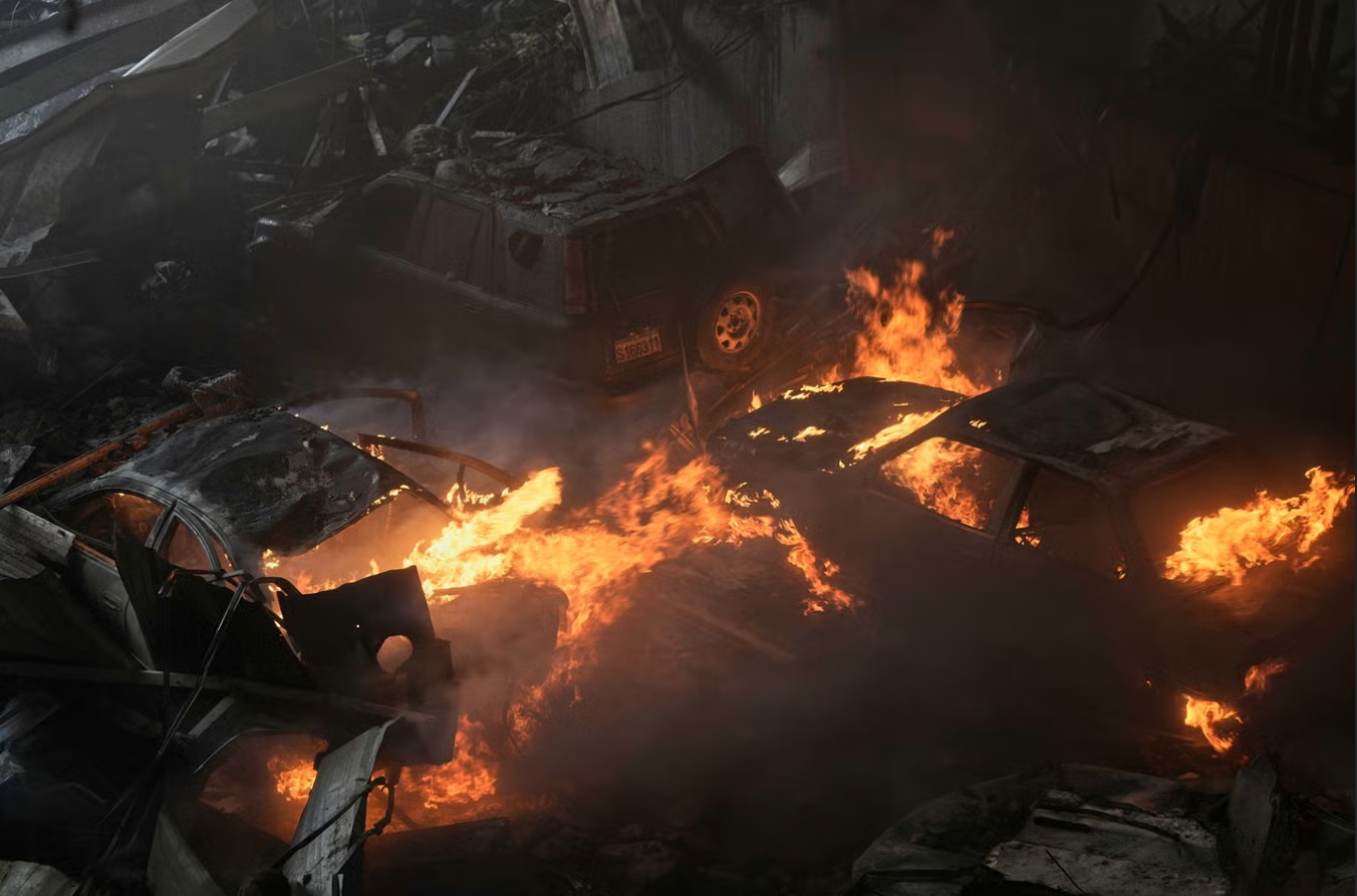
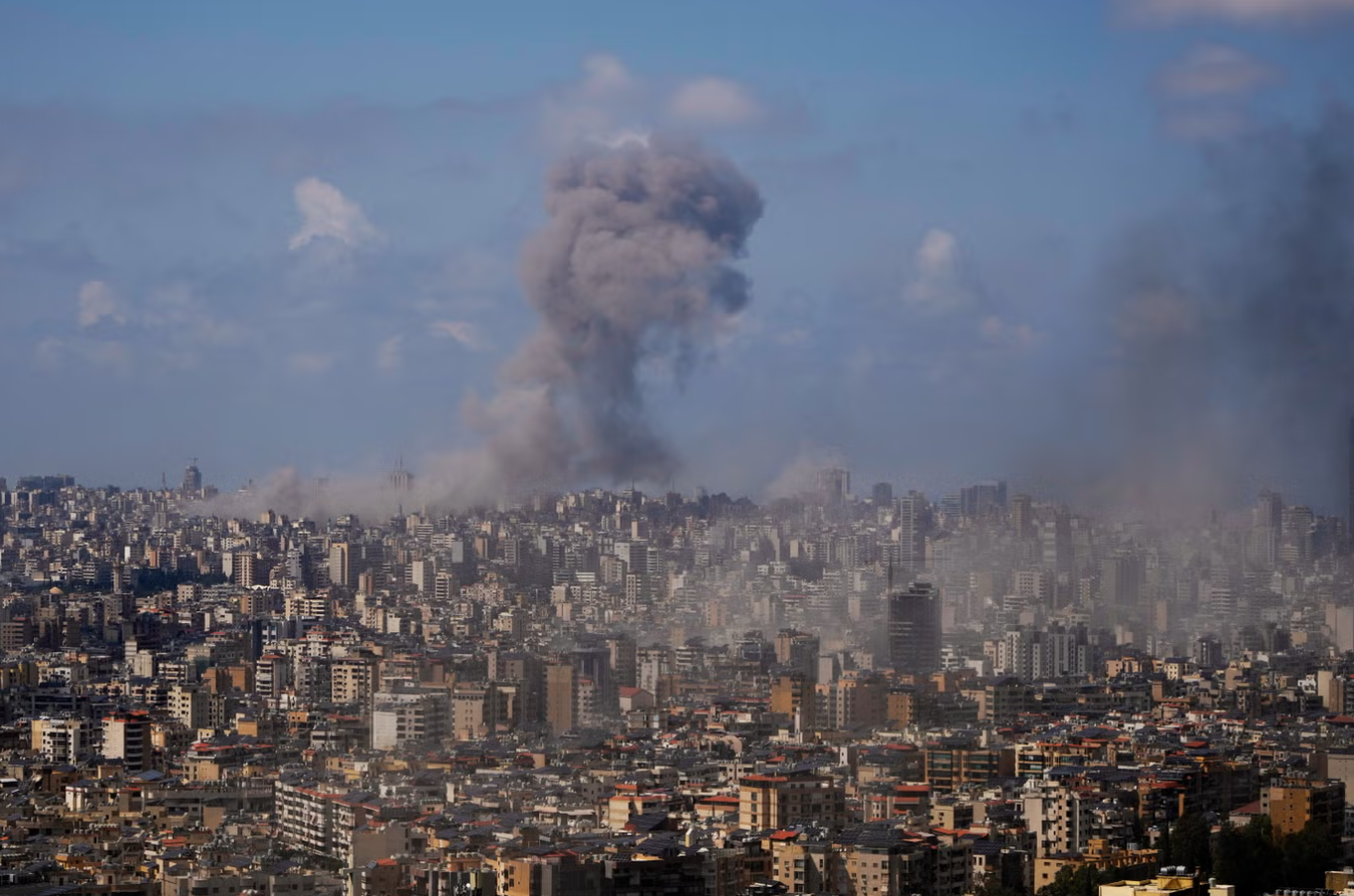
“People were running through the streets covered in blood, cars were burning and dust choked the air,” said Samia, 51, a professor, describing how bombs destroyed the building opposite, as well as nearby residential neighbourhoods, shopping districts, businesses and schools in the heart of the city.
“The children in my building were all screaming and crying. In the street, an elderly woman was standing, screaming at the top of her lungs.”
“It was as if a ring of fire had encircled the entire city. I have never witnessed such a bloody day in my life, not even during the civil war,” she added, visibly shaken.
In Baalbek region, in the east of the country, Zainab, a 62-year-old mother of four, spoke to The Independent from hospital, after barely escaping a hit on her family home and neighbourhood. She said they received no warning and did not expect to be targeted as there is no Hezbollah presence in their town.
“The moment I heard the explosion, I lost all my hearing and vision, I inhaled all the smoke into my lungs,” she said through an oxygen mask.
“The neighbours rescued us through the balconies and windows, along with the civil defence volunteers. My husband suffered severe head and back injuries. I was afraid I would lose my son.
“We didn’t expect our neighbourhood to be bombed. But now nowhere is safe.”
UN human rights chief Volker Türk condemned the massive wave of strikes, saying reports that hundreds – including civilians – had been killed and injured are appalling.
“The scale of the killing and destruction in Lebanon today is nothing short of horrific,” said the high commissioner. “Such carnage, within hours of agreeing to a ceasefire with Iran, defies belief. It places enormous pressure on a fragile peace, which is so desperately needed by civilians.”
Israel launched the ferocious bombardment just hours after Pakistani prime minister Shehbaz Sharif announced a ceasefire to suspend six weeks of warfare between the US, Israel and Iran. He said the talks would include Lebanon.
Hezbollah echoed the imminent truce and claimed the group were “on the threshold of a major historic victory”.
But shortly afterwards, this was contradicted by Israeli prime minister Benjamin Netanyahu, who said the ceasefire did not apply to Lebanon, and vowed the Israeli military would continue operations against the militant group.
Speaking to The Independent, Israeli military spokesperson Lieutenant Colonel Nadav Shoshani said the military was following those orders, bombing dozens of targets, including Hezbollah and Iranian military infrastructure.
“In Lebanon, we are continuing our operations against Hezbollah. That’s the current situation right now, in the current guidance we’ve received [from the political echelon],” he said.
“We have different plans for different scenarios. As of now, the mission remains to push back [Hezbollah] and keep degrading it.”
Lt Col Shoshani claimed the operation was the result of “meticulous planning over weeks” and that among the areas hit were Hezbollah headquarters, its firepower and its aerial units.
But many of the strikes hit densely packed civilian neighbourhoods not affiliated with Hezbollah.
Medics said hospitals were overwhelmed by the wounded.
Speaking from a medical centre in Beirut, Ghassan Abu Sittah, a renowned British-Palestinian surgeon who has treated the wounded in Gaza and Lebanon, called Israel’s unprecedented bombardment “an absolute massacre”.
“Emergency departments have been flooded across the whole of Beirut. We had the first wave, and now we’re getting the second wave of people being dug out of the rubble. It’s horrendous.
“A lot of people are being brought in dead, a lot of children with severe injuries,” he told The Independent. “It’s an absolute massacre, and it happened almost simultaneously,” he added.
In Baalbek, meanwhile, Zainab’s 20-year-old son Mahdi, who had also been rescued from the rubble, said they “were given no warning”.
“We were feeling safe at home, assuming the war was over and waiting for a statement from the Lebanese government announcing it after the ceasefire agreement with Iran was announced in Washington,” he said from his hospital bed, where he had received stitches.
“In the morning, we celebrated this news, and in the afternoon, Israel destroyed our house. My mother, father, and I were injured, while my sister and her young son, thank God, escaped with very minor injuries.”
Iran, the United States and Israel had agreed to a two-week ceasefire on Tuesday, an 11th-hour deal that headed off US president Donald Trump’s threat to unleash a bombing campaign that would destroy Iranian civilisation.
Hours after the announcement, Israel bombed Lebanon, and Iran and Gulf Arab countries reported new attacks on Wednesday, although it was not clear if the strikes would scuttle the deal.
A source briefed on the Israeli position later told The Independent there was no intention of Lebanon being part of a peace deal.
“We reached most of our targets in Iran. We caused a lot of damage. We set Iran back several years. But now is the time to focus on Hezbollah,” the source said, adding that Israelis are “disappointed” with the ceasefire.
“Israel cannot run two huge battlegrounds simultaneously … It would be very hard for Netanyahu to sell a ceasefire with Lebanon at the moment. The entire country just wants the job done.”