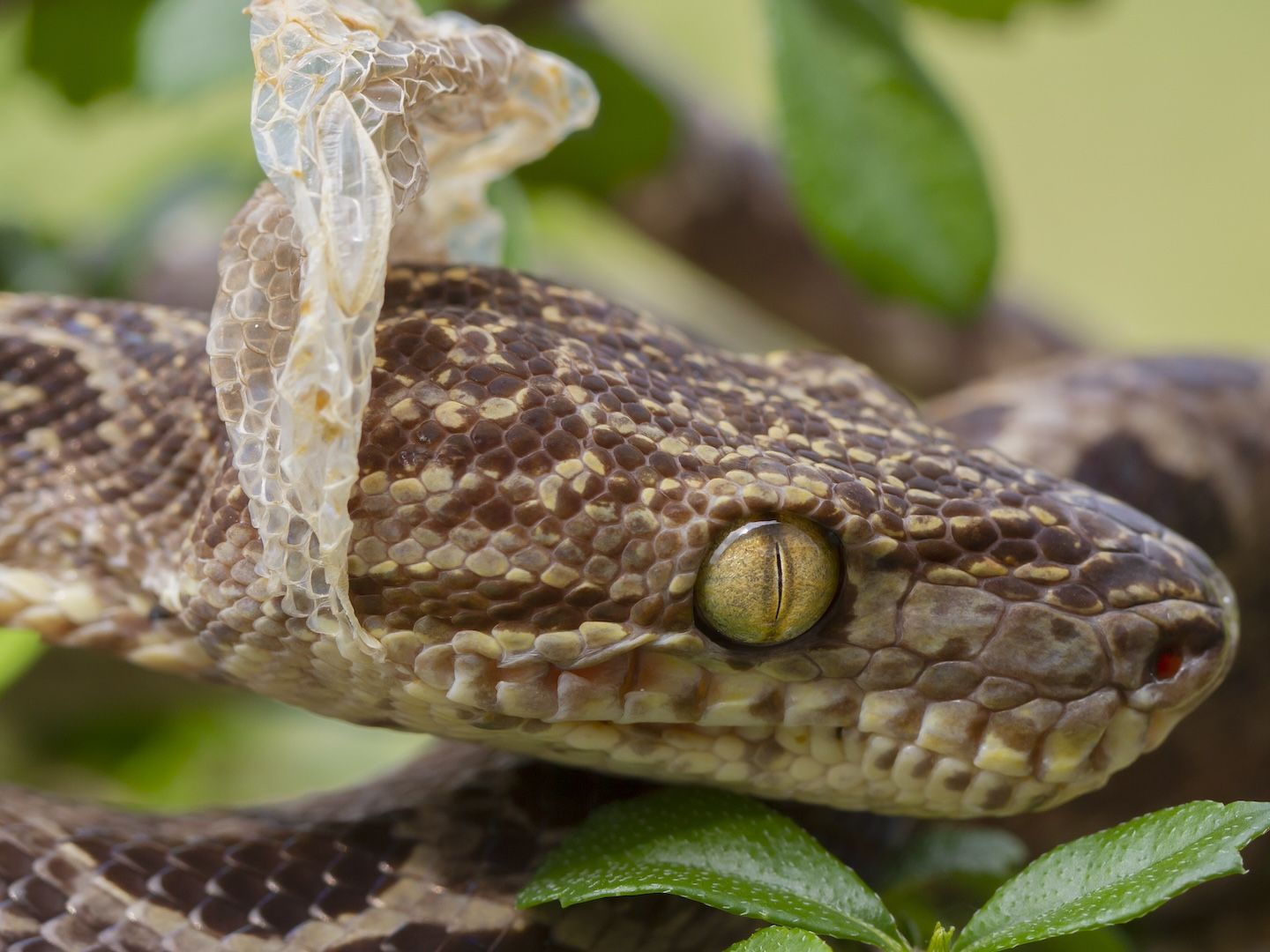
In a shocking and perhaps hilarious incident, a young woman from the northern Indian state of Uttar Pradesh disappeared from her home on her wedding day, leaving only her clothes on the bed in her room. And what’s more, she even left a snake skin on it, The Economic Times reported last week.
The 24-year-old woman, Reena, from Oriya, had skipped her wedding day by creating a story to confuse her family by turning into a snake and disappearing. To make it look real, she left her clothes on the bed and added five pieces of snake skin on top, along with jewelry such as rings and bracelets, to pretend she had turned into a snake and crawled away.
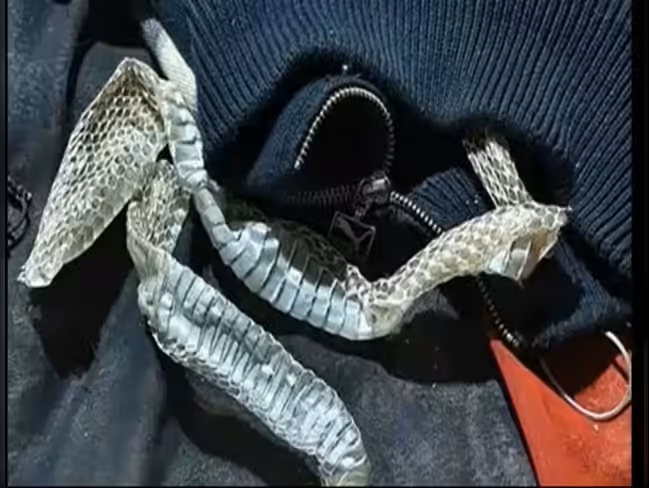
According to the police, at first the villagers believed that she had really turned into a snake, and even her family did not dare to stop her. But what surprised them was that Reena actually made up a story to run away with her lover on the night before her wedding.
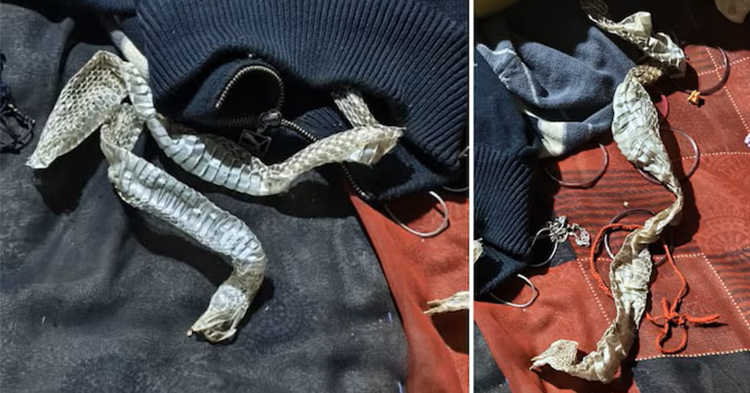
A police officer named Ajay Kumar said that the snake skin that Reena left behind was just a way to distract everyone from the story or her marriage. She was misleading people, there was no transformation, no becoming a snake, in short, it was a fabrication to get away.

According to the original story, after Reena disappeared without a trace, all the villagers came to her house and immediately informed the authorities. After investigating, the authorities tracked the phone she used to contact the man, which belonged to her mother, and finally discovered that she had planned to run away with her boyfriend for three months.
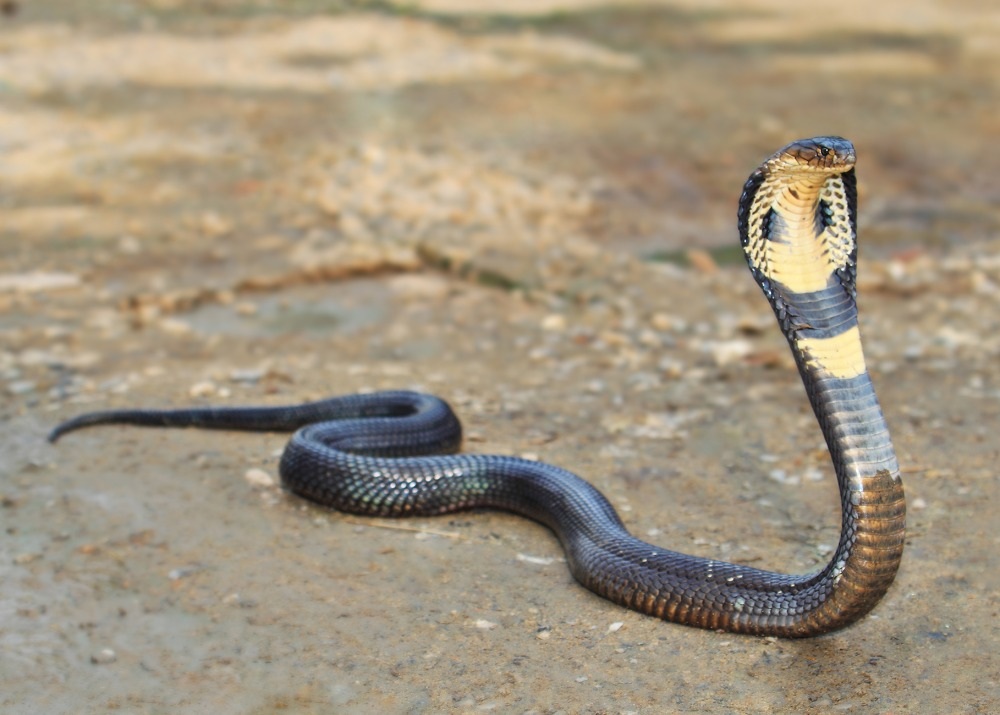
She had visited a temple called Sheshnag and brought a snake statue home. She later claimed that she had seen the snake in a dream. When she ran away from home, she took the statue with her.

Police also discovered that Reena had been in a relationship with a young man in the village, and that he often disappeared from home. Her family had arranged for her to marry another man within a short period of time, so police believe that the snake transformation story was just to confuse her family.